


AMD Ryzen 9000 Series Processors
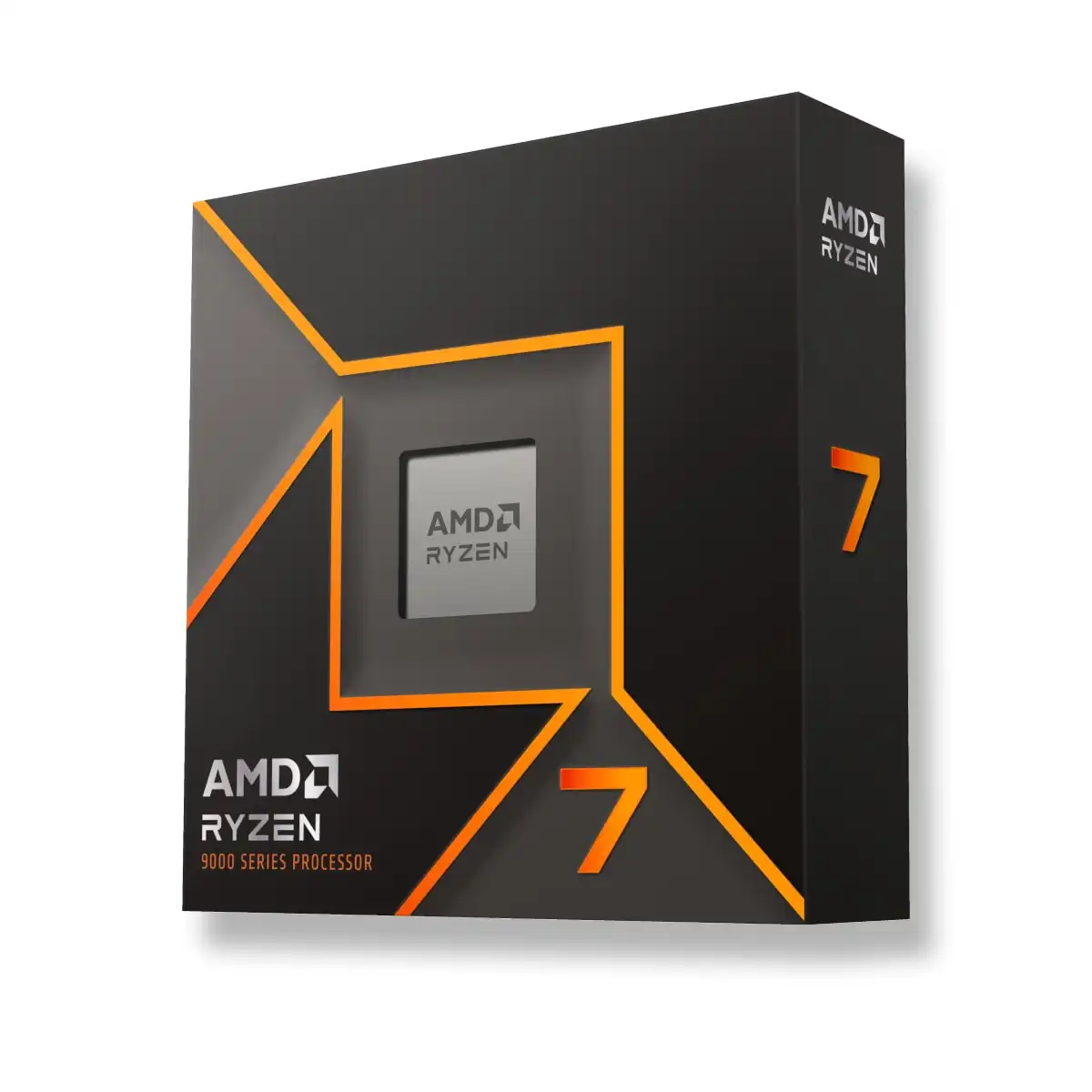
AMD Ryzen 7 9700X Processor
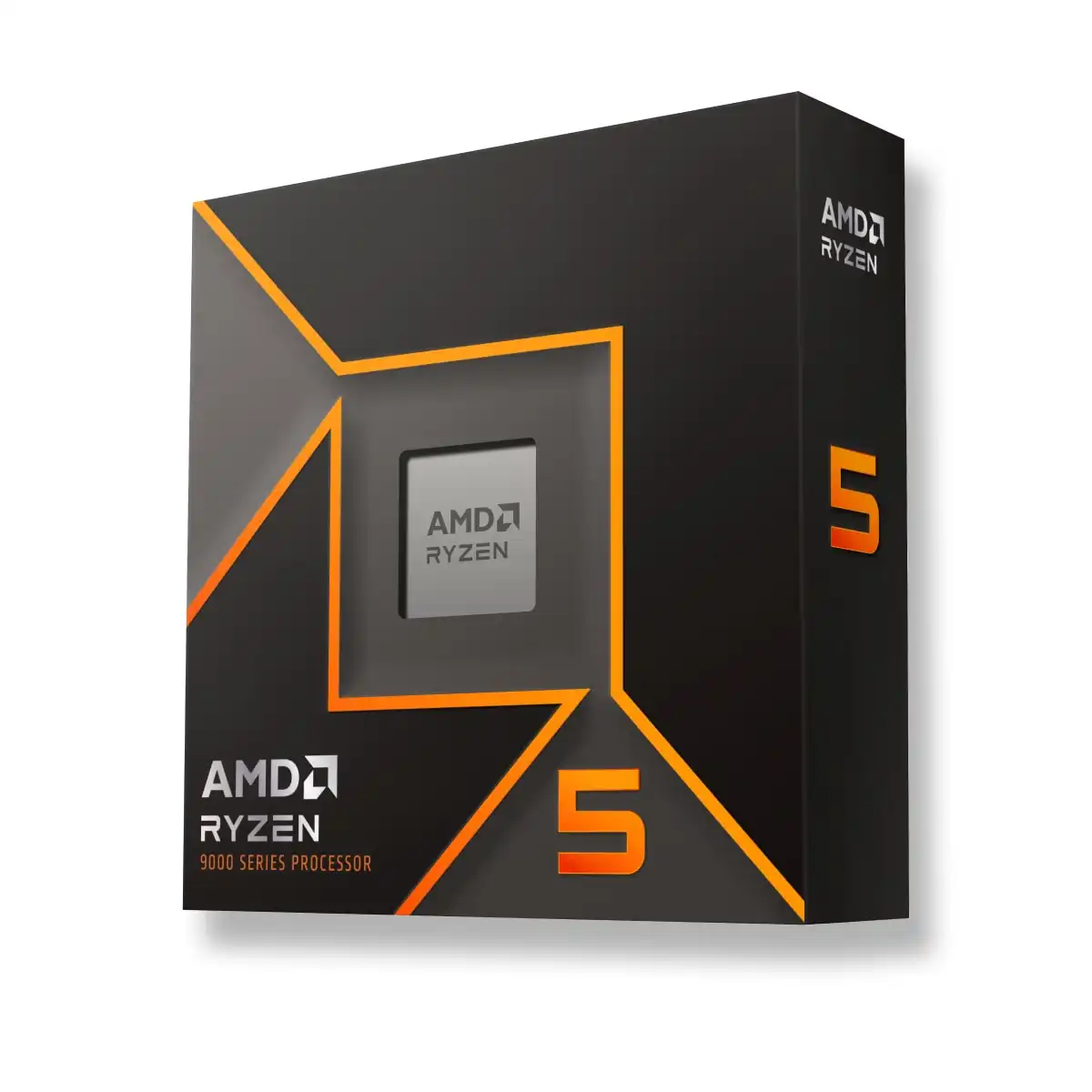
AMD Ryzen 5 9600X Processor
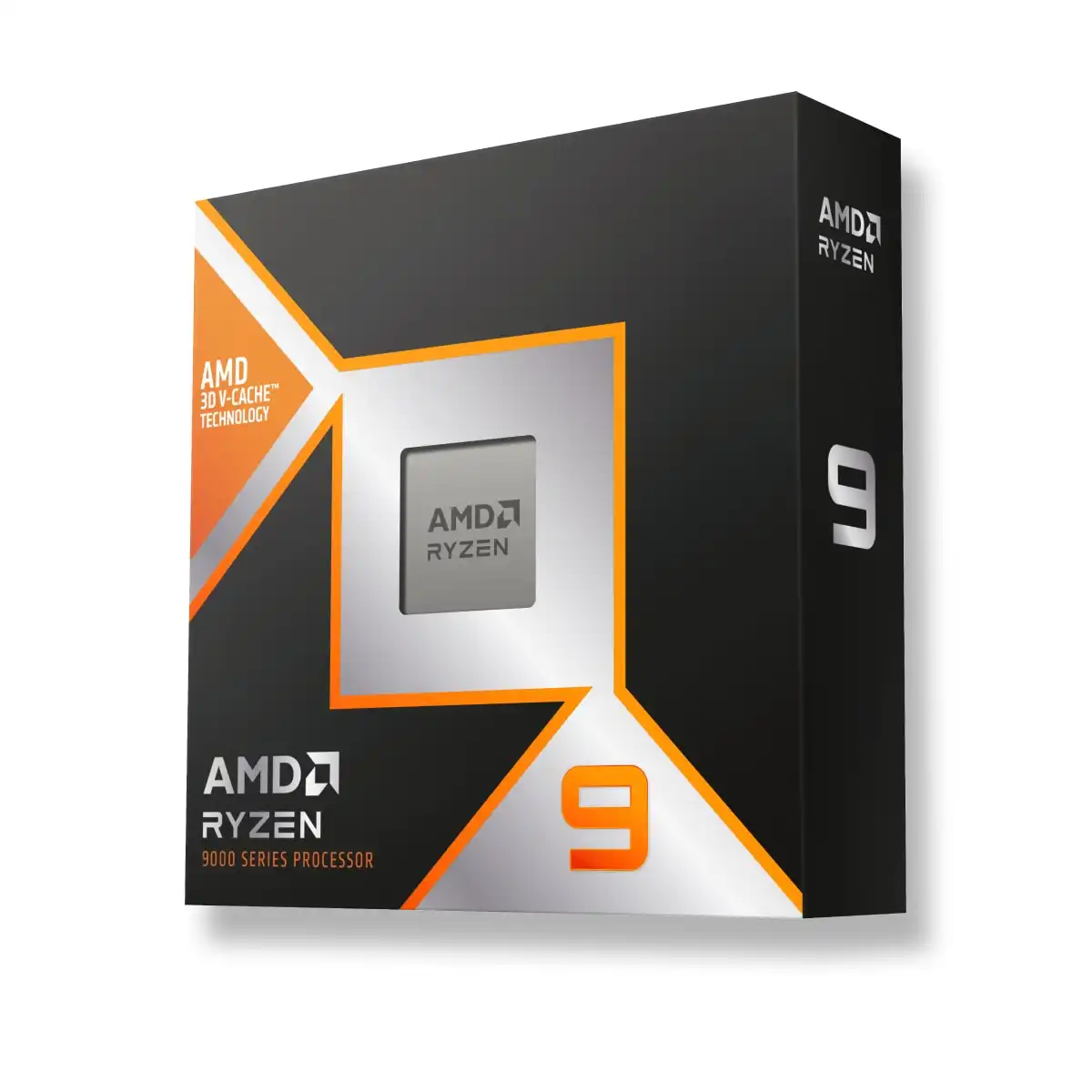
AMD Ryzen 9 9950X3D Processor
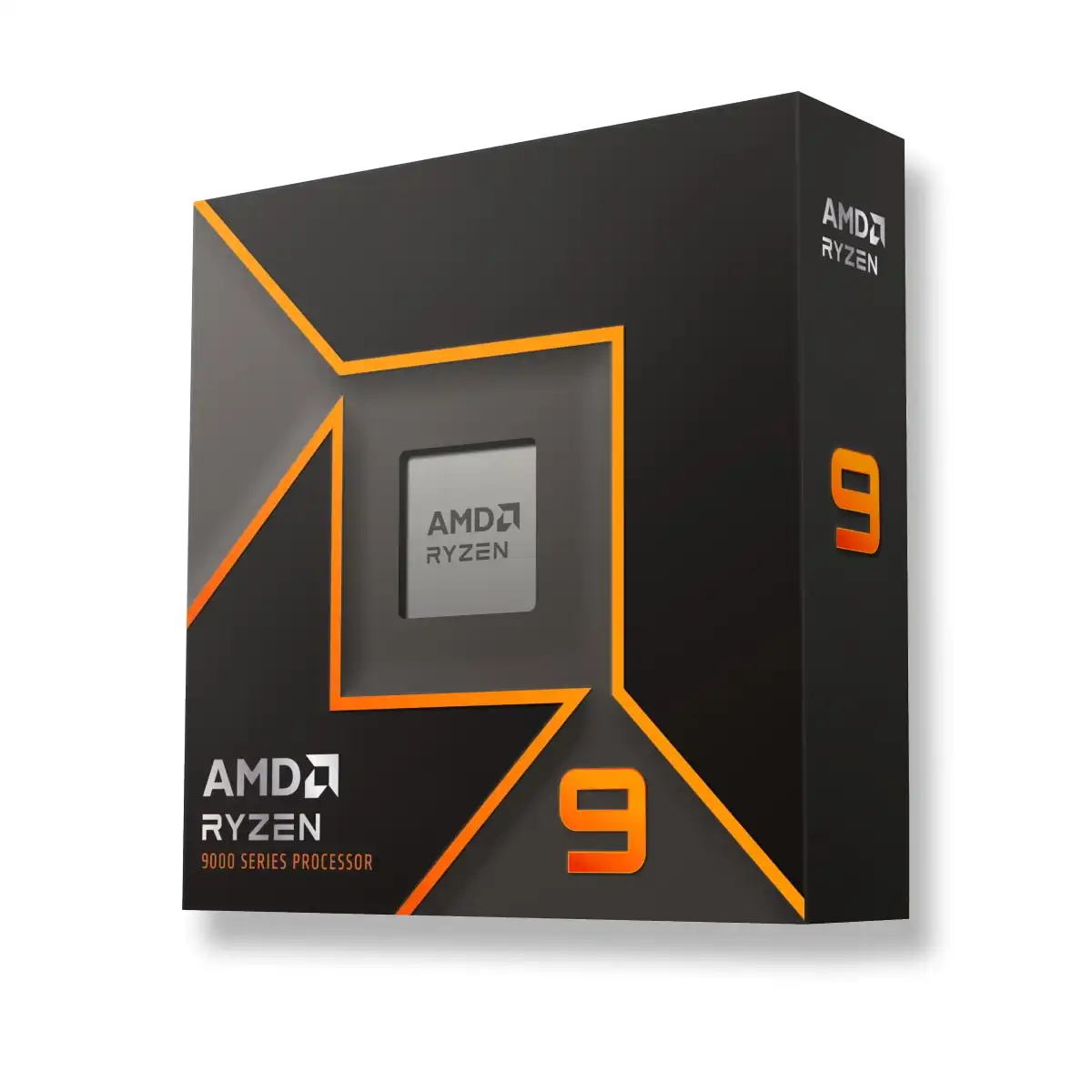
AMD Ryzen 9 9950X Processor
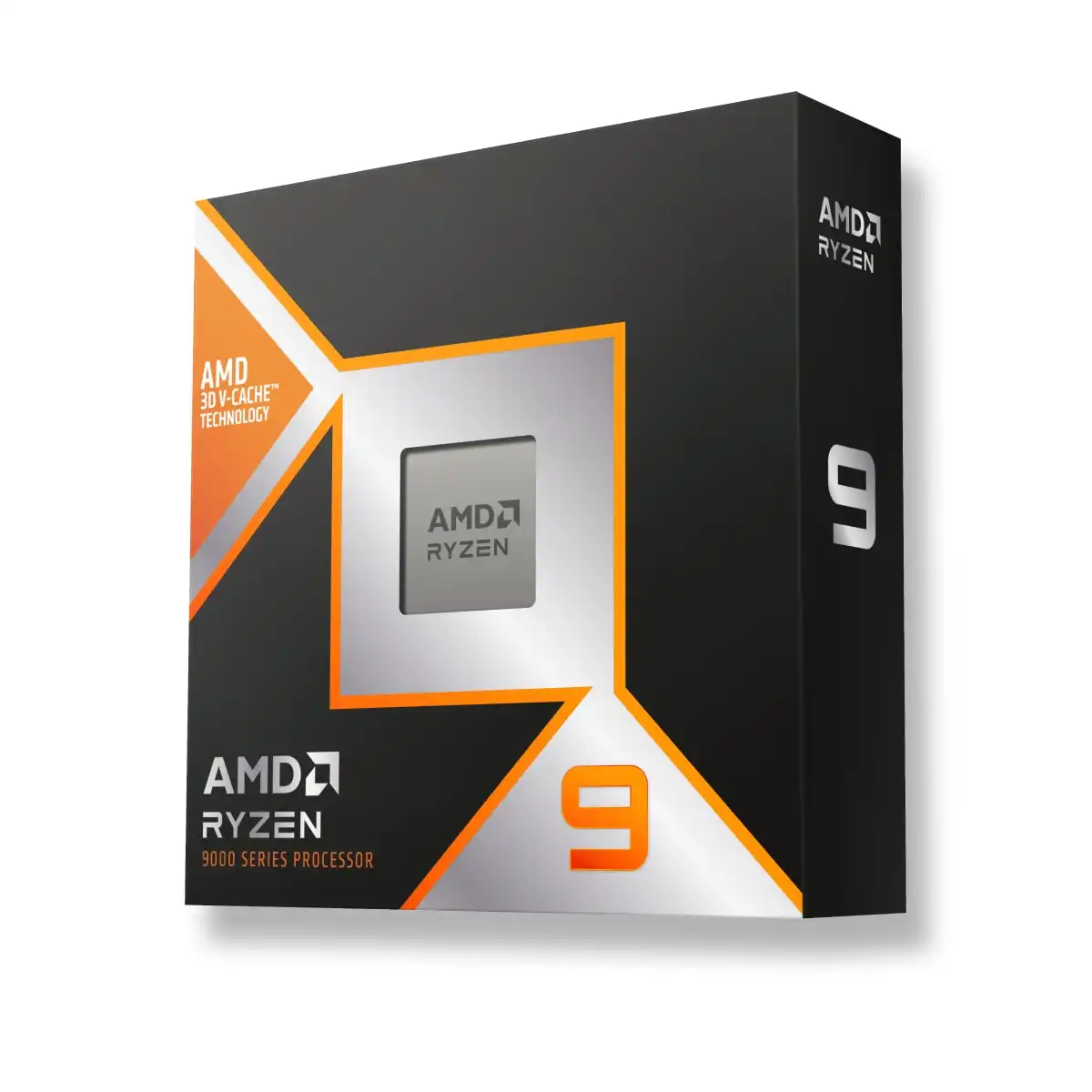
AMD Ryzen 9 9900X3D Processor
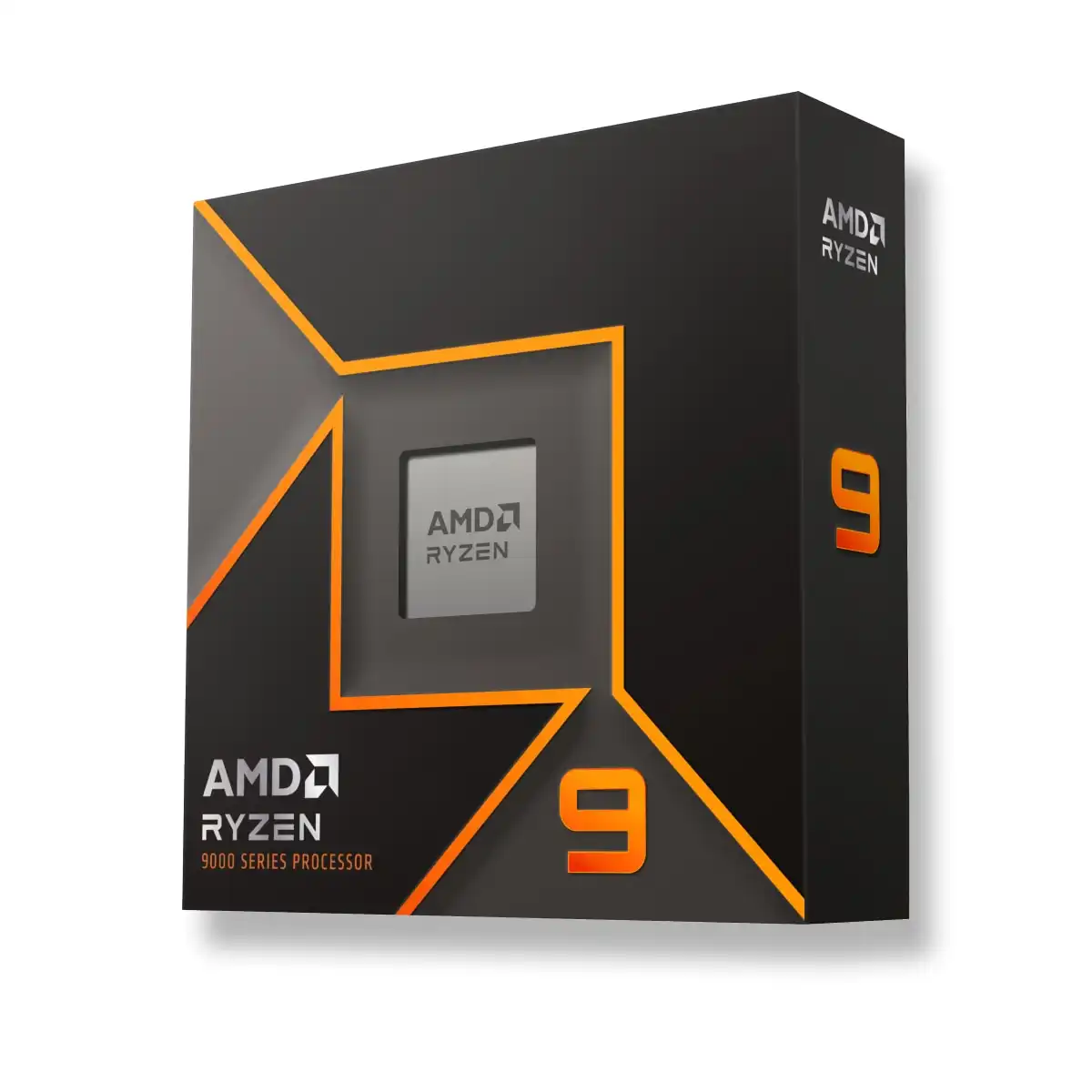
AMD Ryzen 9 9900X Processor
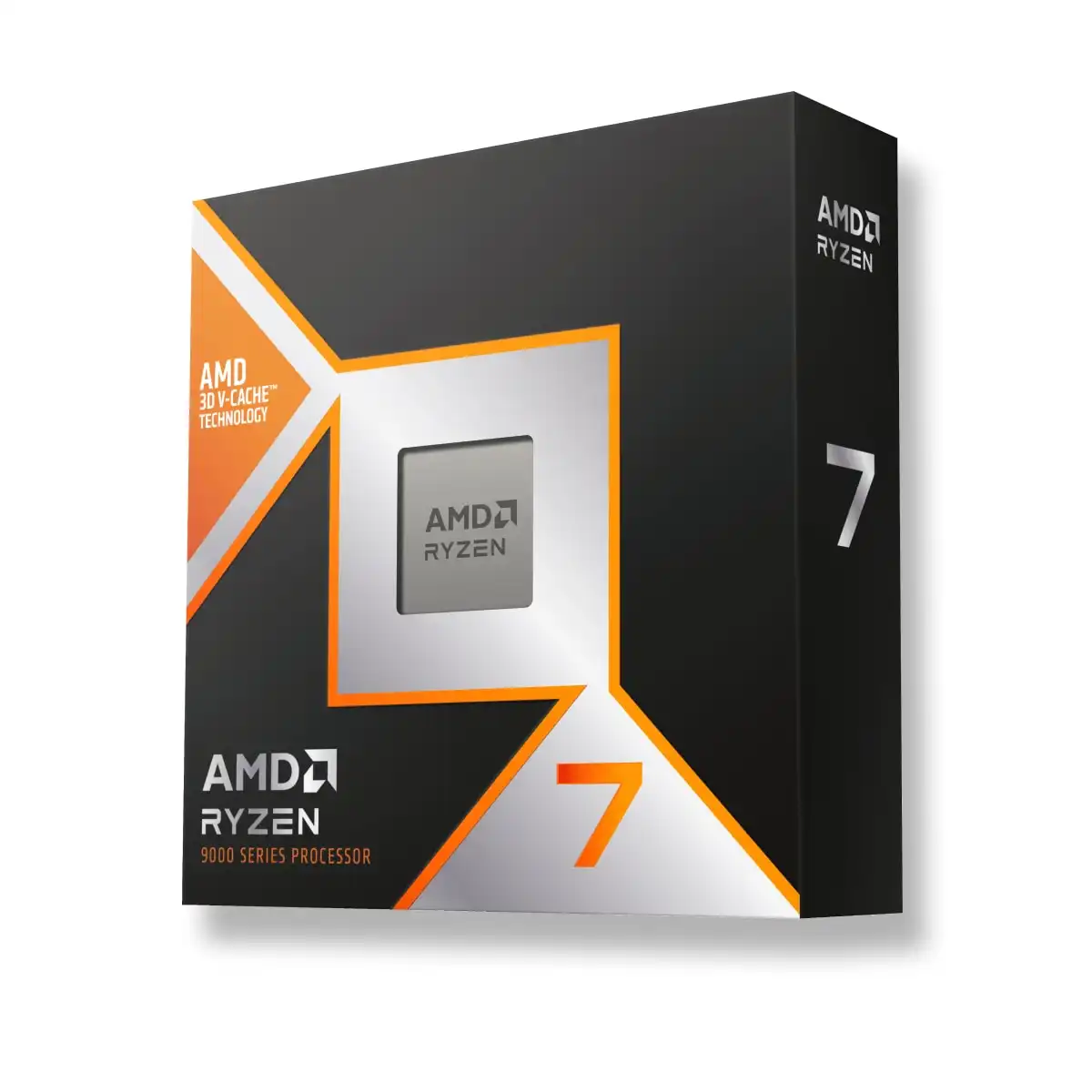
AMD Ryzen 7 9800X3D Processor
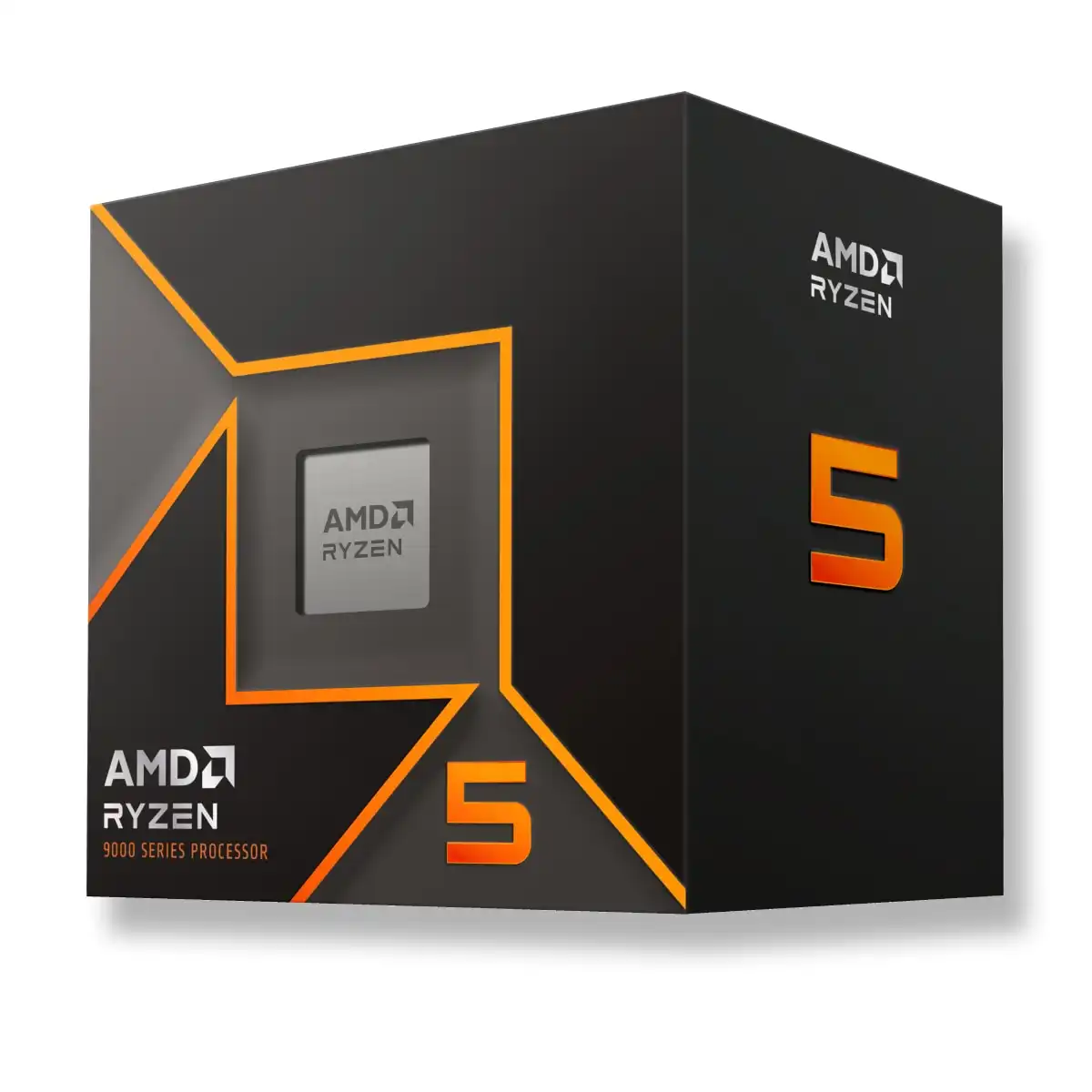
AMD Ryzen 5 9600 Processor
The Ryzen 9000 desktop processors here are all Zen 5 chips on the AM5 socket. They run from the 6-core Ryzen 5 9600 and 9600X, through the 8-core Ryzen 7 9700X and 9800X3D, to the 12-core Ryzen 9 9900X and 9900X3D and the 16-core Ryzen 9 9950X and 9950X3D. Boost clocks reach up to 5.7 GHz, and rated TDP goes from 65 W to 170 W. AMD covers them with a 3 year warranty.
Choose by workload. For gaming, look at the X3D models, whose extra 3D V-Cache helps in games. The 12- and 16-core Ryzen 9 chips suit rendering, video editing and heavy multitasking, and the Ryzen 5 pair handle mainstream gaming and office builds. Every model needs an AM5 motherboard and DDR5 memory. Only the Ryzen 5 9600 ships with a cooler, so plan a separate cooler for the others, and a stronger one for the 120 W and 170 W parts. The Ryzen 5, Ryzen 7 and Ryzen 9 models each have their own page.
Frequently asked questions
Will a Ryzen 9000 processor work on my existing AM5 motherboard? Yes. All of them use the AM5 socket, though an older AM5 board may need a BIOS update before it recognises the chip. They do not fit AM4 boards or take DDR4.
What is the difference between the Ryzen 7 9800X3D and the 9700X? Both are 8-core, 16-thread Zen 5 chips. The 9800X3D adds 3D V-Cache for gaming at a 120 W TDP, while the 9700X is a 65 W part with a higher 5.5 GHz boost.
Do these processors need a graphics card? Each has basic integrated Radeon graphics for display output, but gaming needs a dedicated graphics card.